

THE REBUILD SERIES
are you in your silent season?
featuring:
2. BUILD YOURSELF
1. ACCEPT THE SEASON
3. CHANGE YOUR THINKING
4. THEN BUILD HEALTHY RELATIONSHIPS
Techniques to Manage Non-Epileptic Seizures Caused by PTSD
Anyone suffering from seizures, whether from epilepsy or non-epileptic causes, may experience anxiety that restricts participation in activities. Fortunately, exercise is proven to improve seizure symptoms and frequency. Improving…
How PTSD Can Cause Sleep Apnea: Natural Ways to Heal
There are two types of sleep apnea, obstructive sleep apnea (OSA) and central sleep apnea (CSA). The first is a mechanical obstruction and the latter is neuromuscular dysfunction. The type of sleep apnea that is associated with PTSD is OSA, where the mechanical obstruction to the airway causes sleep loss. The muscles affected are…
Can Trauma Cause Memory Loss?
Yes, PTSD can cause memory loss. Memory issues are one of the many symptoms of PTSD, which can lead to dissociative amnesia - forgetting details of the traumatic event. Additionally, trauma can result in overall forgetfulness in daily life, even years after the event…
Understanding the Bidirectional Relationship Between PTSD & Seizures
Non epileptic seizures are seizures from psychological or emotional distress. Therefore, the origin of this disorder is not physical like epilepsy. This is important to differentiate because the treatment course will be different. Often…
Why Are You Isolating Yourself? Depression vs. Personal Growth
Isolating yourself for personal growth may seem from the outside that you’re depressed — less socializing, more sleep — however, the intention is different. This is a personal choice to have peace and quiet... It’s because you’re tired of living the same way and you’re doing internal investigation to make lasting change...
At-Home Strength Training for PTSD: Why Slower Workouts Can Help You Heal
When you feel triggered, your instinct might be to push yourself with a high-intensity workout to blow off steam. But this approach may not always be the best, especially if you’re already feeling overwhelmed. Instead, low-intensity strength training can...

Yoga and Calisthenics for PTSD: A Beginner's Guide to Calming Your Nervous System
If you’re looking for an easy entry into training without a gym membership or time-consuming routines, yoga and calisthenics are perfect. These exercises can be done at home with little to no equipment and help manage stress, anxiety, and PTSD symptoms.

Low-Intensity Cardio for PTSD: Why Gentle Exercise Helps You Heal
Most people associate workouts with high-intensity exercises, giving all your effort, or as a way to blow off some steam. However, when you’re already on edge, a high-intensity workout may do more harm than good. In these cases…

Breathing Exercises for PTSD and COPD: How to Breathe Better Under Stress
You can do deep breathing exercises anywhere and anytime to get your nerves in check. All it takes is 1 minute of your day. To help you find the one that fits your needs best, here are the top 3 best deep breathing exercises…
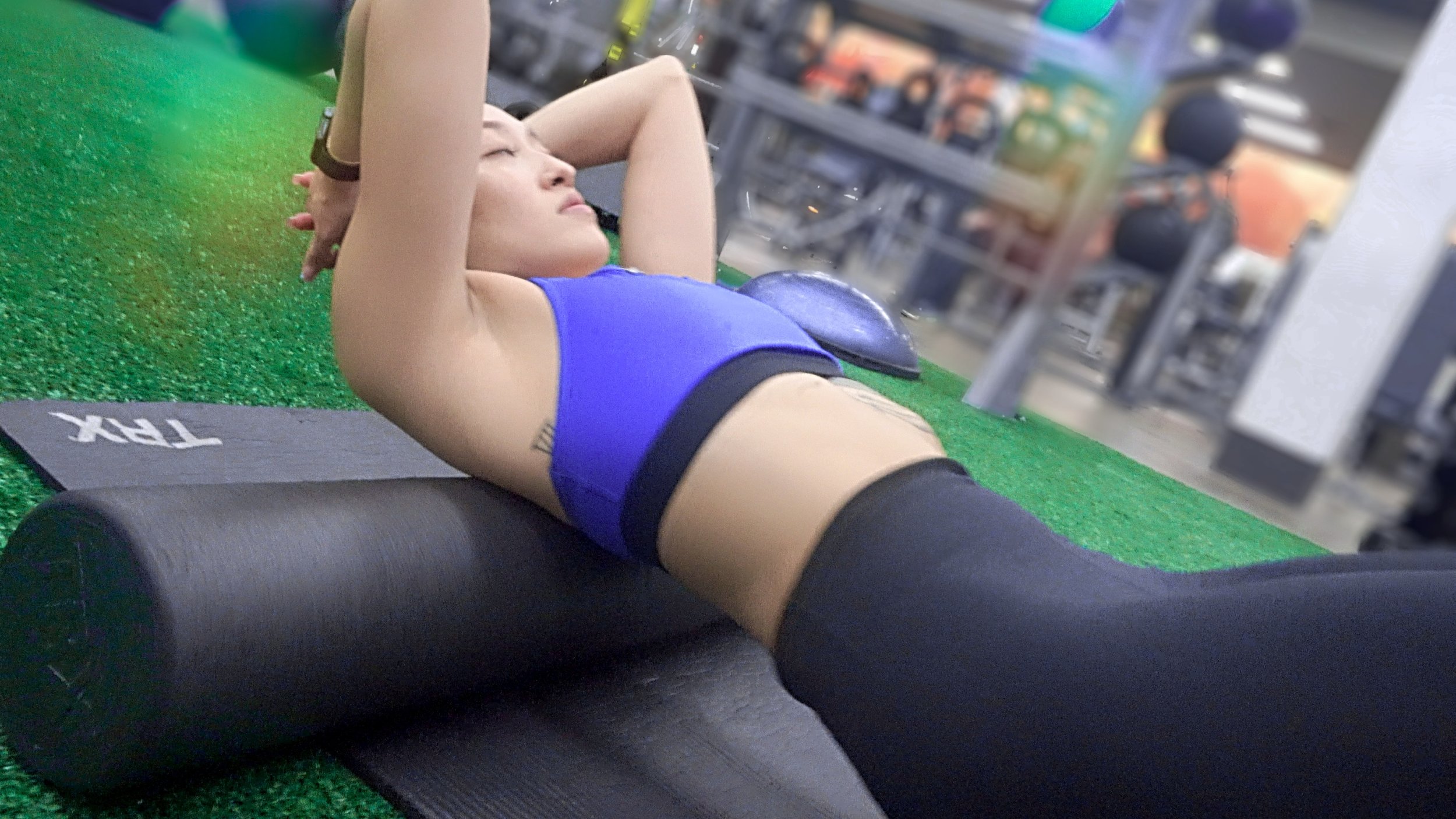
Progressive Muscle Relaxation for PTSD: Release the Tension You Didn't Know You Were Carrying
Progressive Muscle Relaxation (PMR) is a powerful technique that helps calm your nervous system and reduce stress. It can be a stand alone exercise or part of a meditation session. It is a technique you can perform all by yourself…
Why Your Nervous System Won't Calm Down (And What Actually Helps)
Your level of nervousness is more than psychological—it’s also physiological. There’s a reason why it’s called your nervous system. Anxiety, paranoia, and any level of nervousness affects your heart rate, blood pressure and rate of breathing. Think of the phrase “you’re raising my blood pressure” or “you’re making my blood boil.” It speaks to the truth of emotions directly being tied to your body’s response to stress.
How to Stop Self-Sabotage: The Conversation With Yourself Is Shaping Your Future
We often are the hardest on ourselves. Being self-aware and accountable for the things we do wrong is necessary for our growth. However, when we beat ourselves up when we’re already down, it keeps us down. At times it can be a defense mechanism to avoid the hard things and...